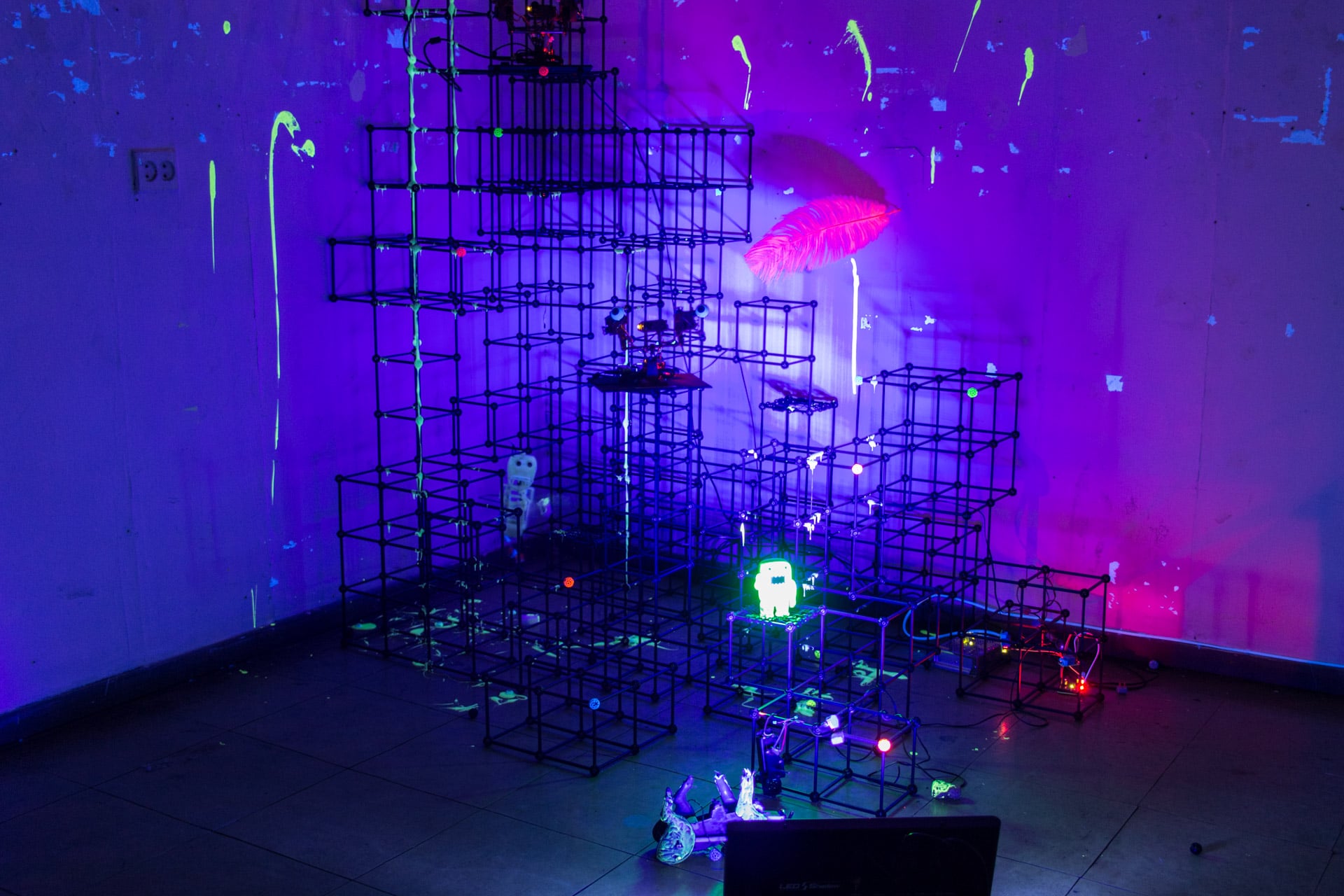
Anna Frants, Visionary Dreams #3273-77, Borey Art Centre.
In the international media art landscape, few projects can claim the continuity, global network and ability to connect art, technology and research developed by Anna Frants (St Petersburg, 1965). A multimedia artist, curator and co-founder of CYLAND Media Art Lab, Frants is also one of the creators of CYFEST, one of the longest-running and most widely recognised international festivals devoted to media art. Founded in 2007 and now in its 17th edition, CYFEST brings together artists, curators, engineers, programmers, researchers and activists from around the world, promoting an ongoing dialogue between artistic languages, technological innovation and critical reflection on contemporary change. In this conversation, we explored themes that run through CYLAND’s entire vision: the value of interdisciplinary exchange, the relationship between human beings, nature and landscape, the role of art as an active principle in contemporary society, and the future prospects of media art in a world increasingly shaped by the interaction of creativity, science and technology.
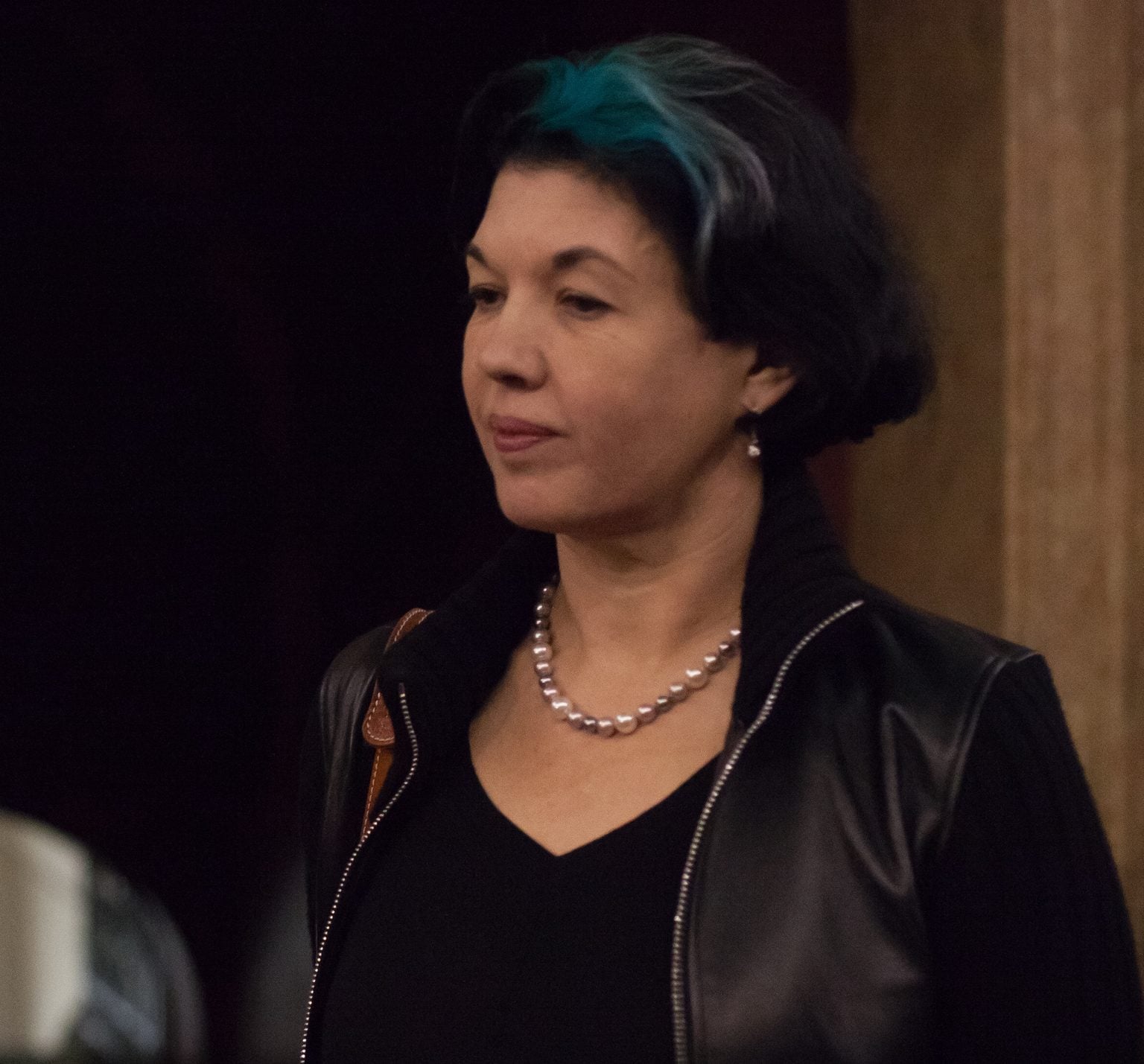
Portrait of Anna Frants. Photograph: Yurii Goryanoy.
Interview with Anna Frants
How important is interdisciplinary exchange today, including between fields that may seem very far apart?
There are no rigid boundaries between artistic disciplines. Painting, video, sound, performance and digital technologies are all part of the same artistic continuum. Media art thrives on the interaction between these forms, making interdisciplinary exchange essential. As an artist and curator, I have seen how collaboration — particularly with engineers — drives innovation. Artists often bring unconventional perspectives, while engineers contribute technical expertise. Together, they can develop solutions that neither side could conceive of alone.
Tell us more…
It is a highly iterative process. A work evolves through experimentation, with technical and artistic decisions continually influencing one another. Whether engineers need a deep understanding of a project’s conceptual dimension depends on the individual. Some are deeply involved in the ideas behind the work, while others focus primarily on solving technical challenges. Interestingly, within the CYLAND team, some engineers have gradually become artists themselves. This shows how artistic thinking can develop alongside technical expertise, further blurring the boundaries between disciplines.
One of your underlying ideas is that art is an “active principle”: what does this idea mean to you today?
Art does more than represent the world: it helps shape the way we understand it. Throughout the twentieth century, artists responded to social, political and technological changes by developing new forms of expression and questioning established ways of thinking. Media art continues this tradition. It develops through the interaction of art, science and technology, and is constantly evolving as new tools and discoveries emerge. Rather than being defined by a single medium or a specific style, media art is driven by experimentation and the search for new ways of engaging with contemporary reality. In this sense, art is active because it creates new experiences, new forms of interaction and new ways of seeing the world around us.
During the latest edition of CYFEST, the volume “Afterwards. Art in the Time of Change”, edited by Valentino Catricalà, was presented. The publication explores the role of art, science and technology in our time through essays and interviews with international artists and thinkers. Did shared visions emerge from these reflections? Is there a common denominator?
The book was originally conceived during the COVID-19 pandemic, a period when many of us were forced to reconsider our relationship with technology, society and one another. One common denominator was the importance of preserving a space for critical reflection. Another recurring theme was interconnectedness. The challenges we face today cannot be understood through a single discipline. Art, science and technology increasingly overlap, and the most significant innovations arise from their dialogue. The publication reflects this belief: although its contributors come from different backgrounds and perspectives, they share the conviction that creativity, curiosity and collaboration are essential to understanding the present and imagining possible futures.
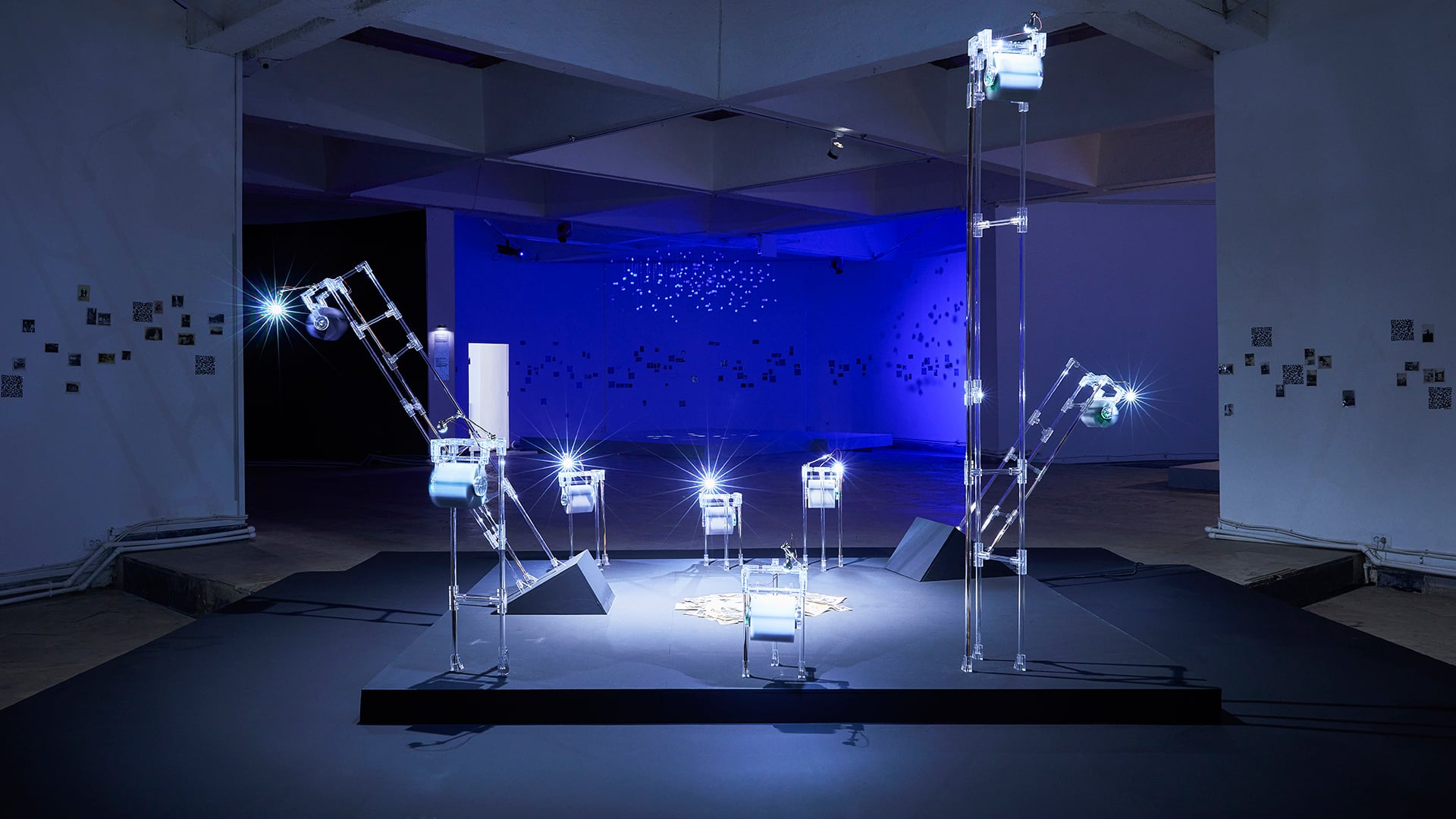
Anna Frants, To Make a Long Story Short, from the series Simple Joys, 2024, CYFEST 16. Photograph: Ann Prilutckaia.
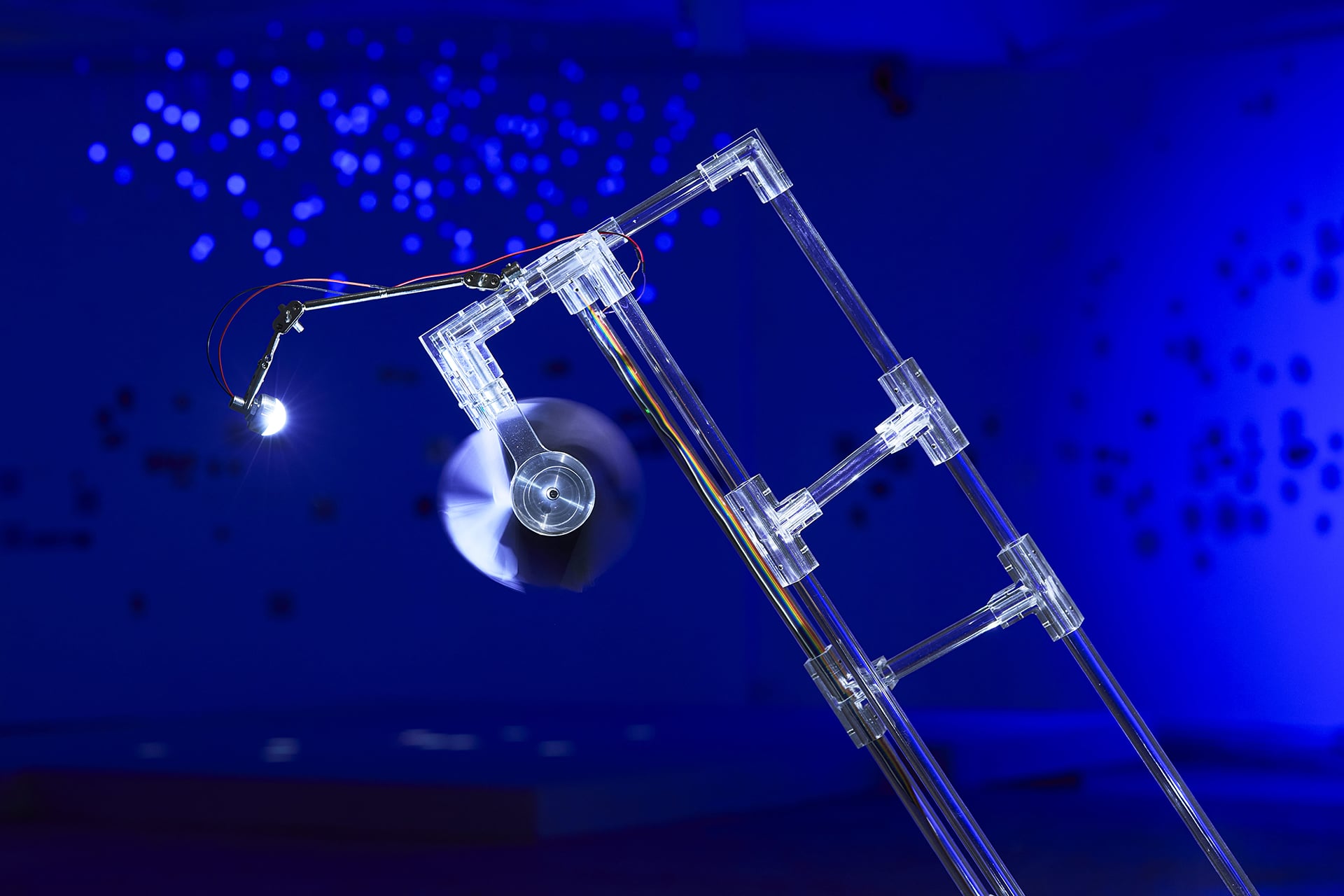
Anna Frants, To Make a Long Story Short, from the series Simple Joys, 2024, CYFEST 16. Photograph: Ann Prilutckaia.
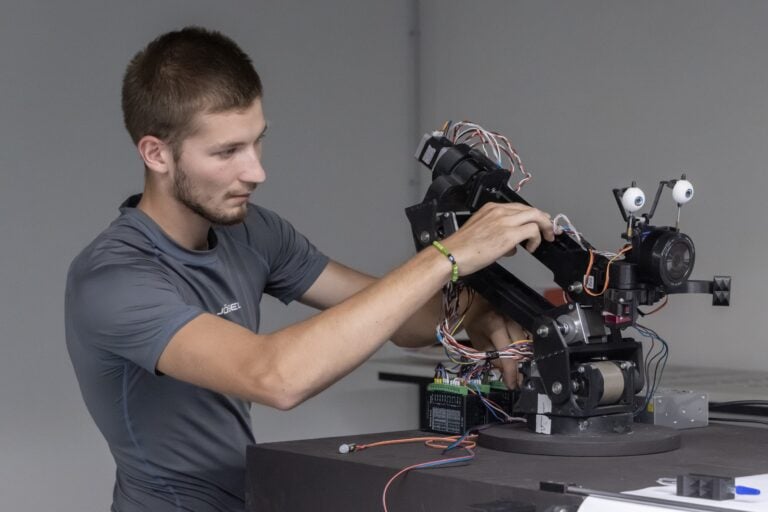
Anna Frants, Different Robot, 2025. Photograph: Anton Khlabov.
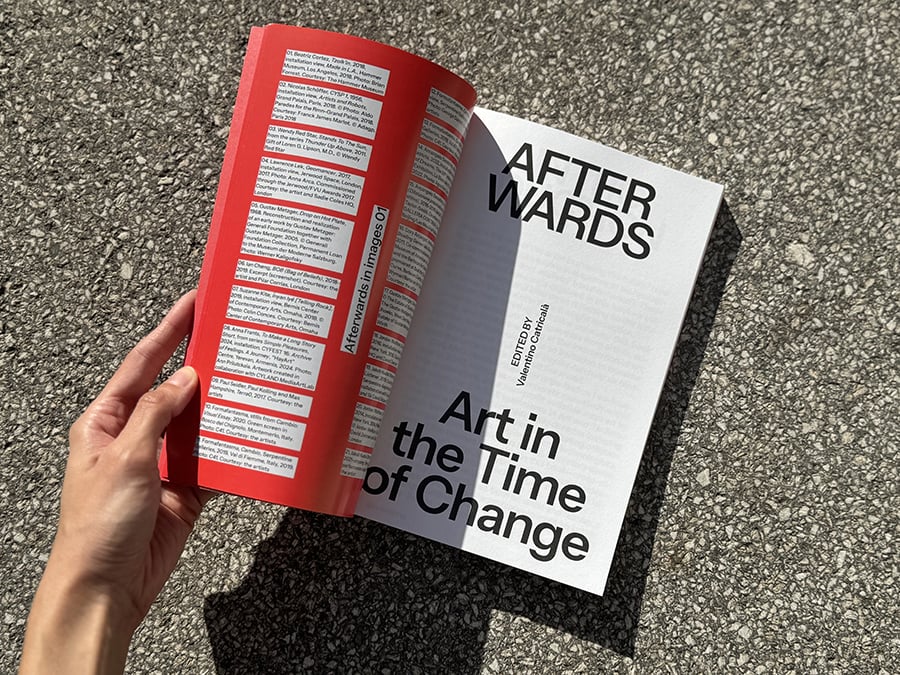
Afterwards. Art in the Time of Change, edited by Valentino Catricalà. Photograph: Nevena Martinovic.
The relationship between art and business today is increasingly moving beyond the traditional logic of sponsorship, taking on more holistic, project-based and strategic forms. What potential do you see in the dialogue between contemporary art, the humanities and brands?
The relationship between art and business seems complex, and media art is difficult to sell because it requires more maintenance than painting, for example. Therefore, from the collector’s perspective — whether private or corporate — it involves additional investment.
In this increasingly hybrid landscape, the role of the artist is also constantly evolving. What role might an artist take on within a corporate board of directors in the future?
Exclusively to help the next generation of artists, if that is something the company is interested in. Otherwise, in my view, administrative roles interfere with being an artist.
Since 2007, CYLAND has collaborated with numerous foundations, universities, research centres and international institutions. Which partnerships do you consider most significant in your journey, and why?
We consider the partnership with Ca’ Foscari University of Venice and Professor Silvia Burini particularly special. Since 2011, we have collaborated on exhibitions, screening programmes, publications and research initiatives, building a long-term dialogue between media art and academia. Among the most significant moments are numerous CYFEST projects presented in Venice, as well as publishing initiatives such as Sostenibilart. Ambassadors of Sustainability (2022). Based on a shared intellectual curiosity, this collaboration remains one of the most meaningful and productive in CYLAND’s development.
CYLAND describes itself as a “Media Art Lab”. In your view, what role will media art and digital artistic languages play in the art market and art history in the coming years?
We describe CYLAND as a Media Art Lab because media art exists in the spaces where different media intersect. It emerges where technology, art, science, sound, image, performance and communication meet. The laboratory model reflects our commitment to experimentation, collaboration and the exploration of new and traditional forms that emerge from these intersections.
What qualities do you look for today in artists and projects that you consider truly relevant to contemporary media art?
Art comes first; technology is a means. From an artistic perspective, I believe there are no truly new themes in art; rather, new materials and digital tools are added, offering unprecedented expressive possibilities. The central idea, or the “message” the artist wishes to communicate, remains fundamental. The chosen medium serves this purpose and adds new expressive possibilities, while technical details often depend on what is available or accessible. Often, it is “an old idea, a new medium”. Ultimately, for me, the viewer is always an integral part of the work. An artwork should resonate with its audience, evoke emotions and associations, and affect the visitor mentally and emotionally. Personally, I am not a great supporter of lengthy accompanying explanatory texts, because I believe the primary impact should be emotional, while recognising that audience preferences vary greatly across cultures and individuals.
What future projects and prospects do you envisage for CYLAND and CYFEST?
We would like to continue travelling around the world.
Enrico Dedin
English translation of the original Italian interview.